
Introduction: what is architectural rendering?
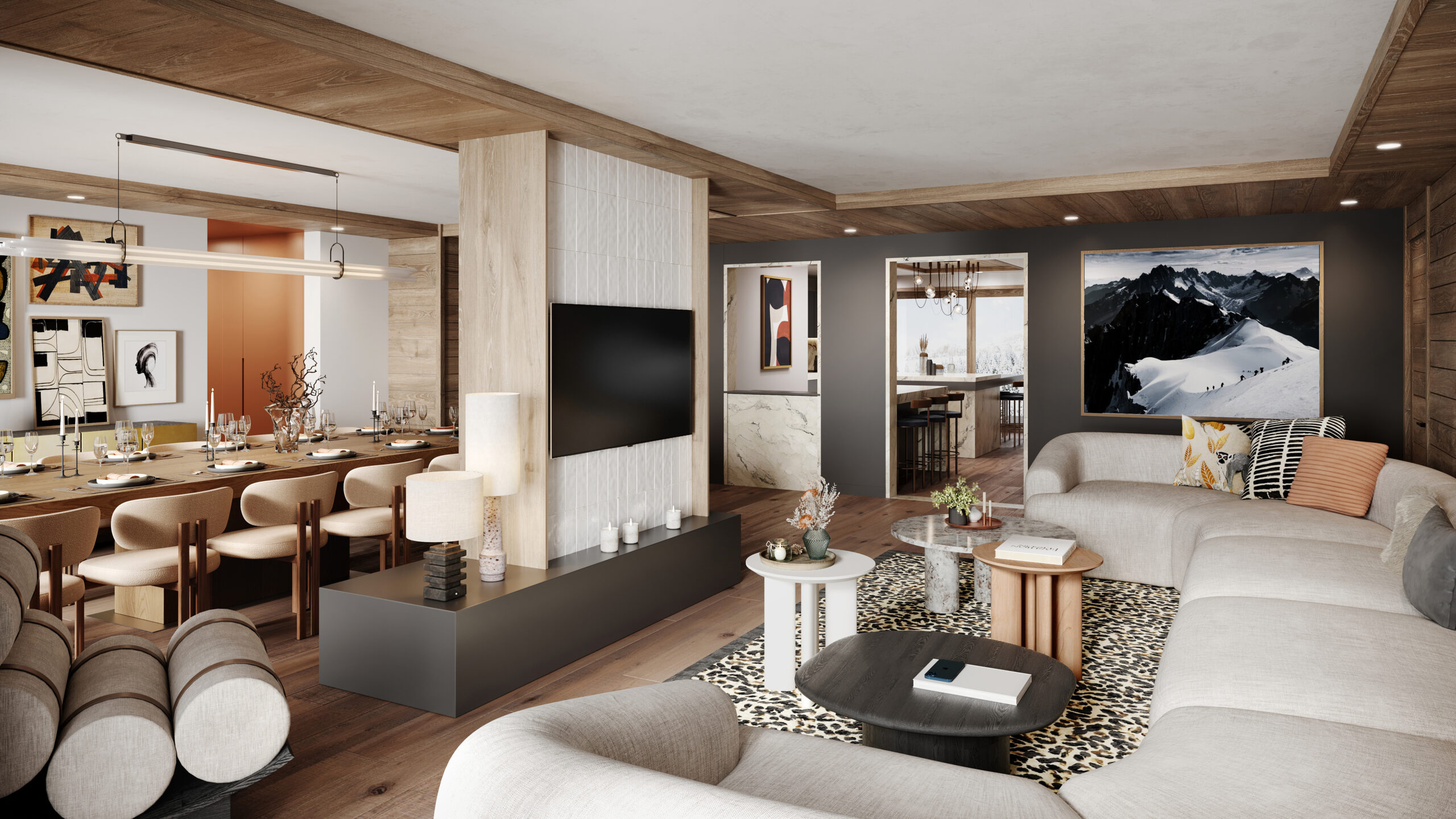
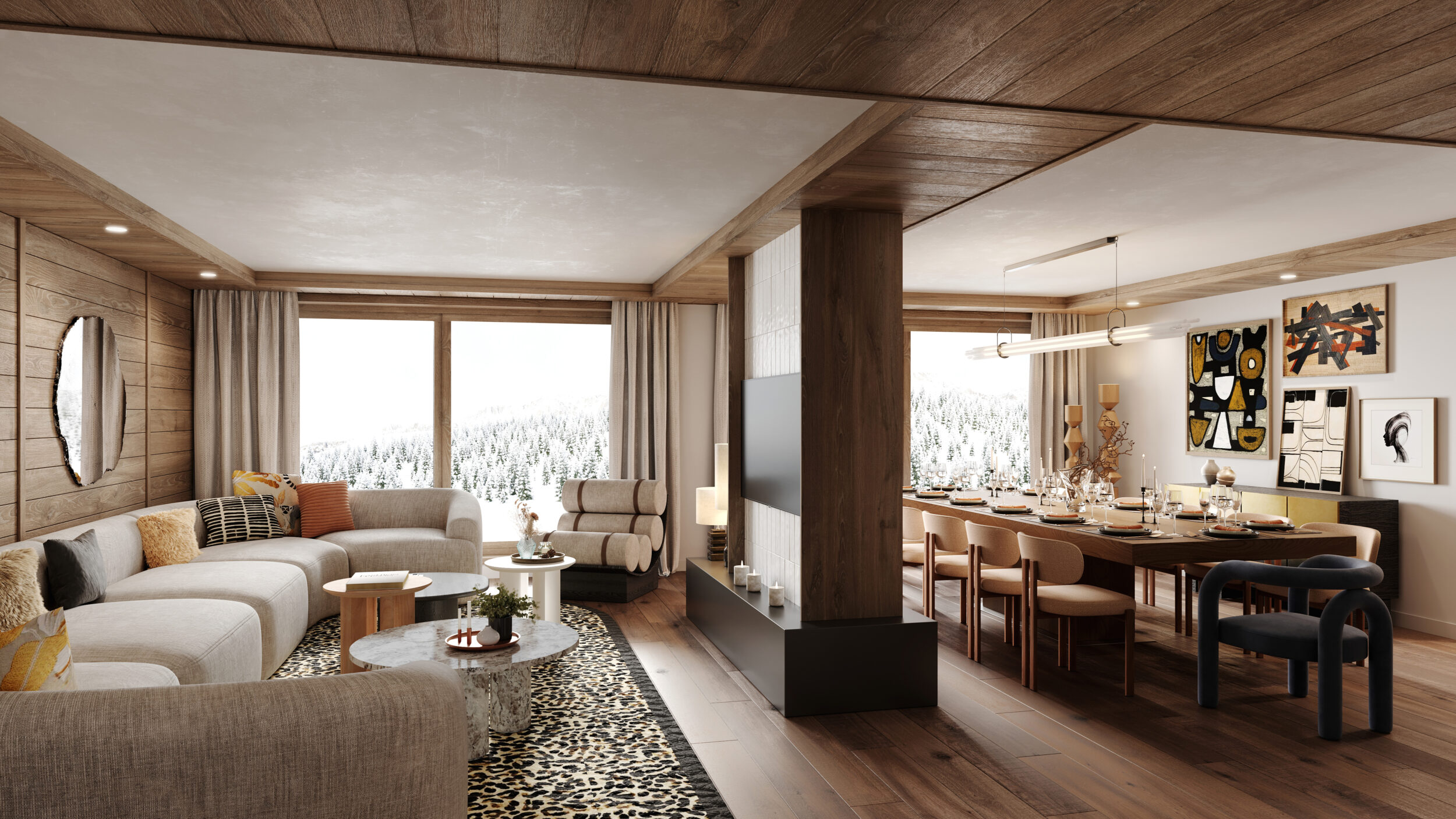
What is architectural rendering? Simply put, it is the process of creating visual representations of buildings and spaces before they exist. However, in today’s design world, it is far more than a static image. Instead, it is a powerful communication tool.
Moreover, it connects ideas, clients, and decisions. As a result, architectural rendering has become essential. At the same time, the 3D environment is changing fast. Therefore, archviz must constantly evolve.
The role of archviz in a rapidly changing 3D landscape
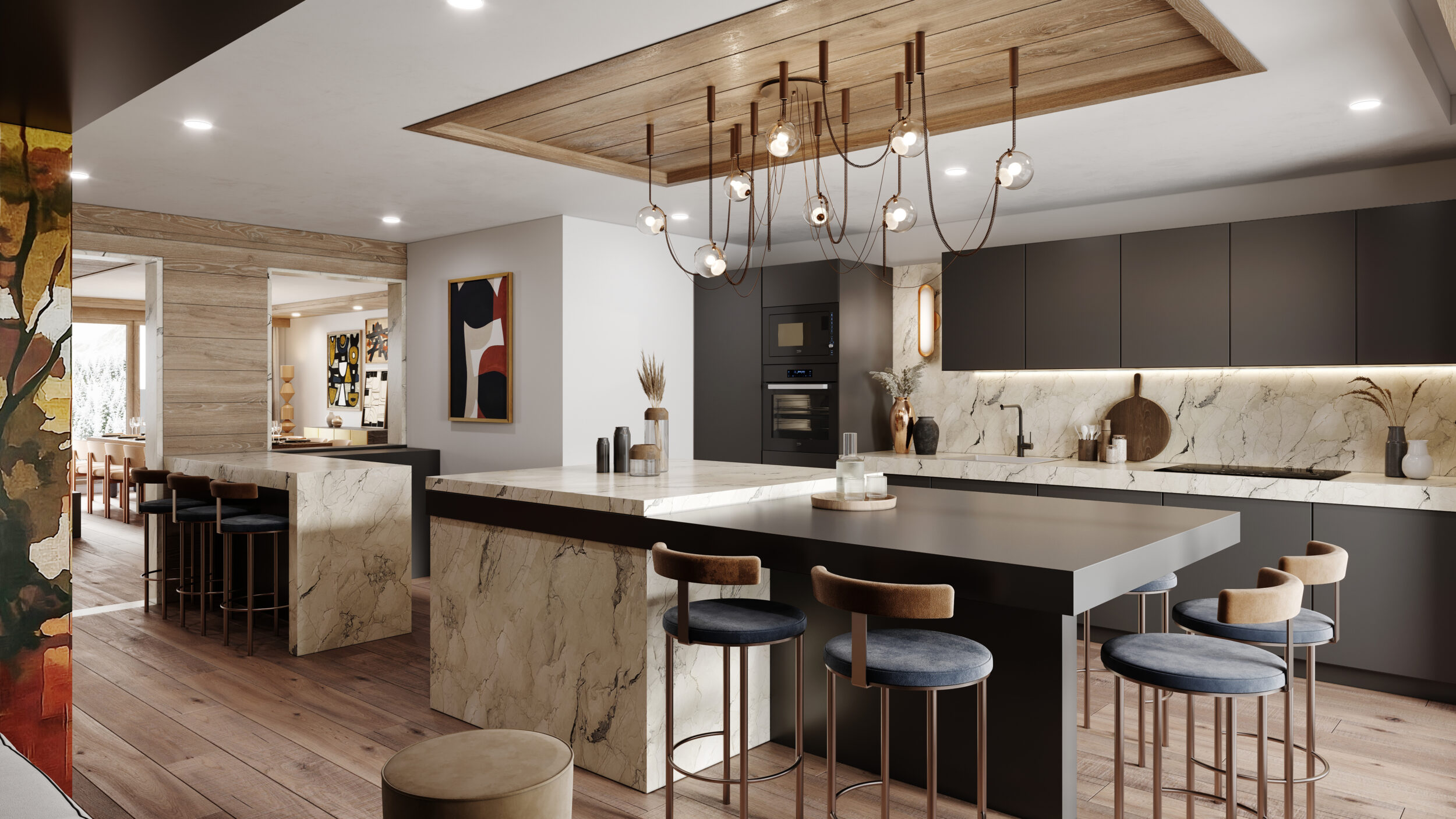
First, architectural visualization translates technical drawings into clear, emotional visuals. Then, it allows architects, developers, and investors to align quickly. Furthermore, as software becomes faster and more accessible, expectations rise. Consequently, realism, speed, and flexibility now define quality.
Meanwhile, new workflows, real-time engines, and AI-assisted tools reshape production. However, despite automation, creative direction still matters. In other words, tools change, but vision remains central. Additionally, clients now demand more than images. They want experiences. Thus, archviz expands into animations, VR, and interactive presentations. As a result, rendering is no longer the final step; instead, it is part of the design process itself.
Why architectural rendering matters more than ever
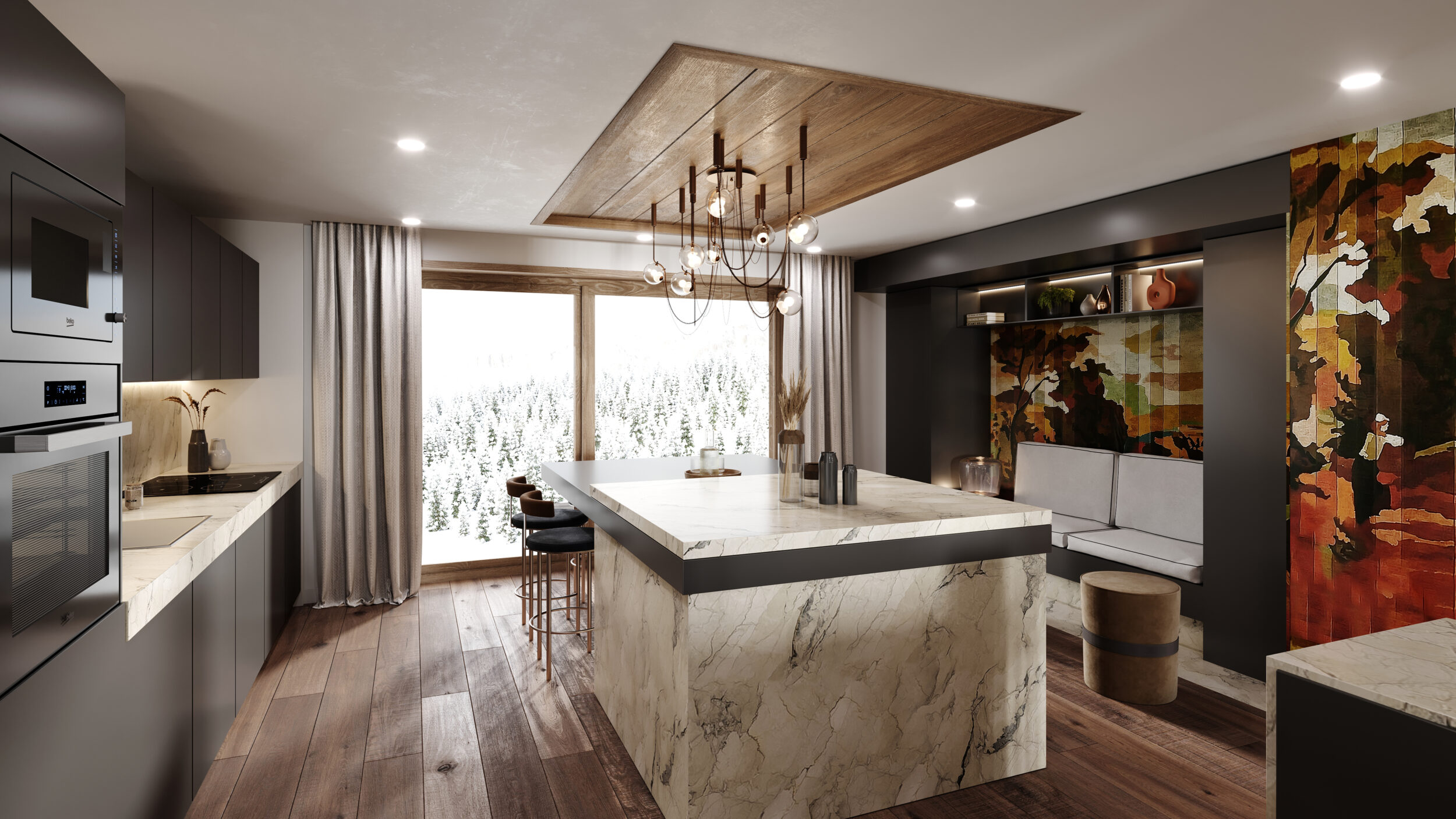
So, what exactly is it today? It is a bridge between concept and reality. Moreover, it reduces risk by revealing issues early. Likewise, it accelerates approvals and marketing. At the same time, in a competitive market, differentiation is critical. Therefore, compelling visuals create stronger emotional impact. Furthermore, as sustainability, modular design, and parametric architecture grow, complexity increases. Consequently, clear visualization becomes indispensable. Even more, in a globalized industry, teams collaborate remotely. Thus, shared 3D visuals ensure everyone speaks the same language.
Conclusion: The Future of Architectural Rendering
Ultimately, it is no longer just about making things look good. Instead, it is about making ideas understandable, adaptable, and persuasive. As technology evolves, so will archviz. However, one thing remains certain: in a rapidly changing 3D environment, architectural rendering will continue to shape how architecture is designed, communicated, and experienced.
Want to experience our boutique 3D approach? Then contact nofuss right now to talk your work!