
The power of luxury hotel visualization
Luxury hotels compete in a world where first impressions matter more than ever. Therefore, guests expect flawless design, effortless comfort and a sense of escapism. Yet these expectations create huge pressure during the development phase. This is where luxury hotel visualization steps in. It gives hotel owners, designers and investors a crystal-clear preview of the final experience. Moreover, it helps our clients like WeWantMore them refine their concepts before any costly construction begins.
Why luxury hotels need high-end 3D visuals
Today’s hospitality market evolves quickly. Concepts change. Trends shift. Guests demand more immersive spaces. Because of this, designers need tools that help them communicate ideas instantly. Luxury hotel visualization does exactly that. It shows the mood, materials and lighting in one coherent visual language. Therefore, everyone involved understands the vision from day one. This reduces misunderstandings and speeds up decision-making.
Communicating atmosphere and story
Every luxury hotel has a story. Some lean into local culture. Others focus on minimalism or wellness. However, a story is hard to communicate through sketches or mood boards alone. High-quality rendering solves this problem. Through carefully crafted 3D scenes, the design team illustrates ambiance, emotion and lifestyle. Thus, guests and investors immediately “feel” the experience. As a result, the project gains clarity and confidence very early in the process.
Bringing interior concepts to life
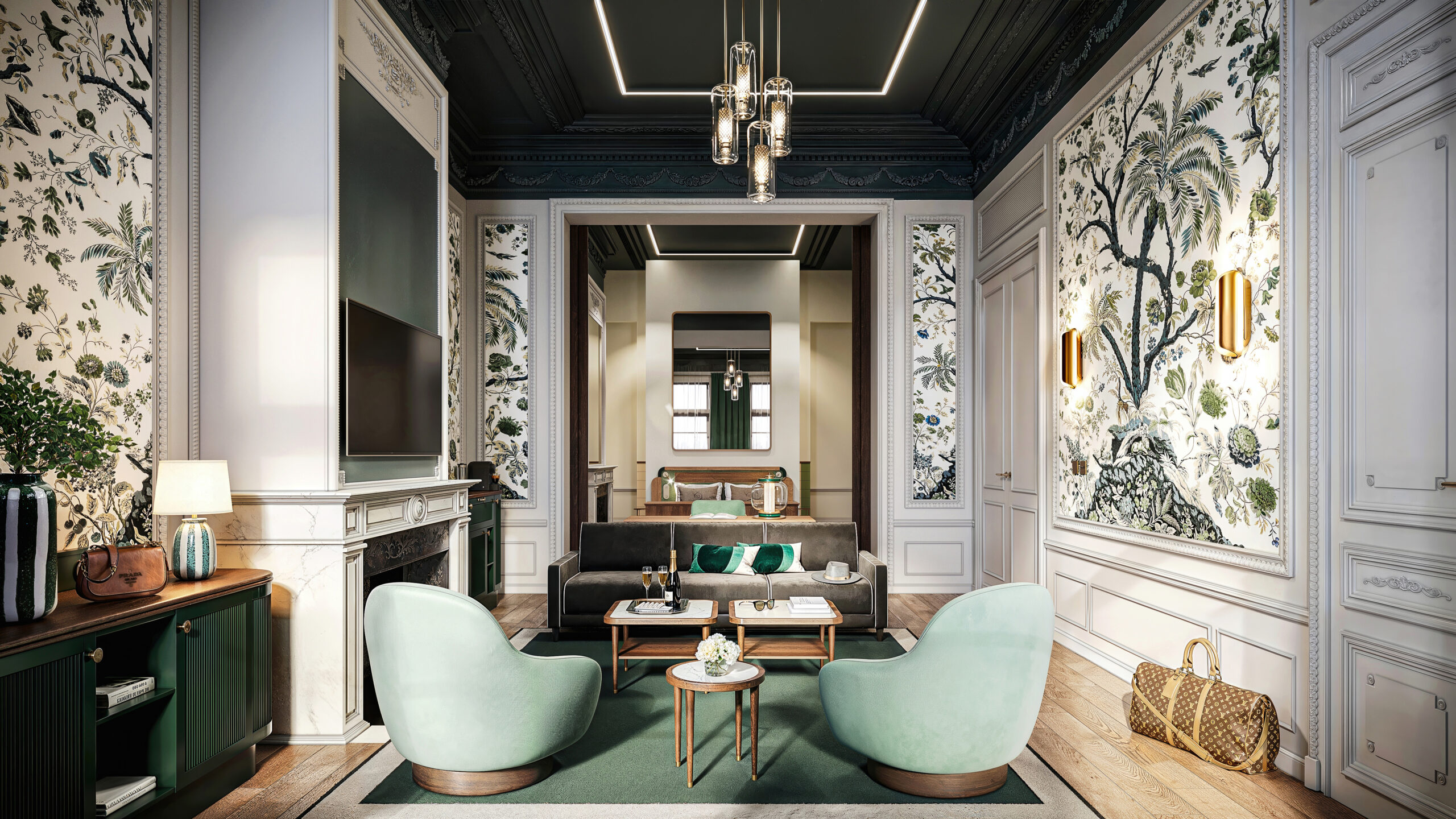
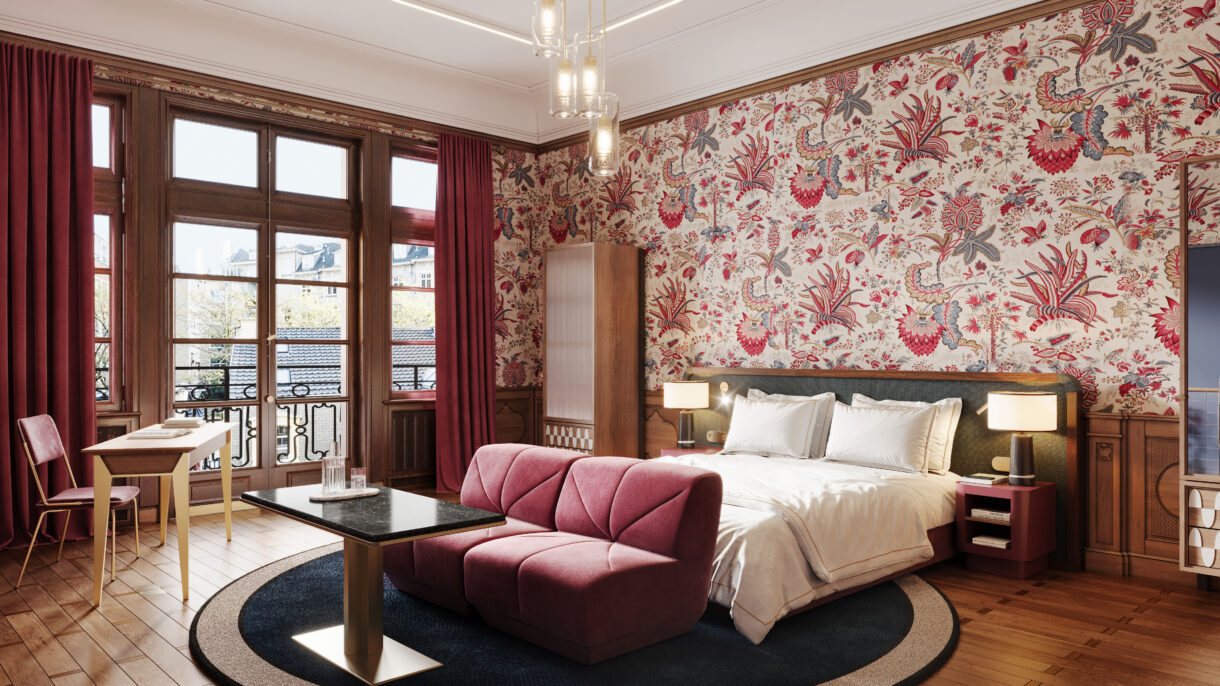
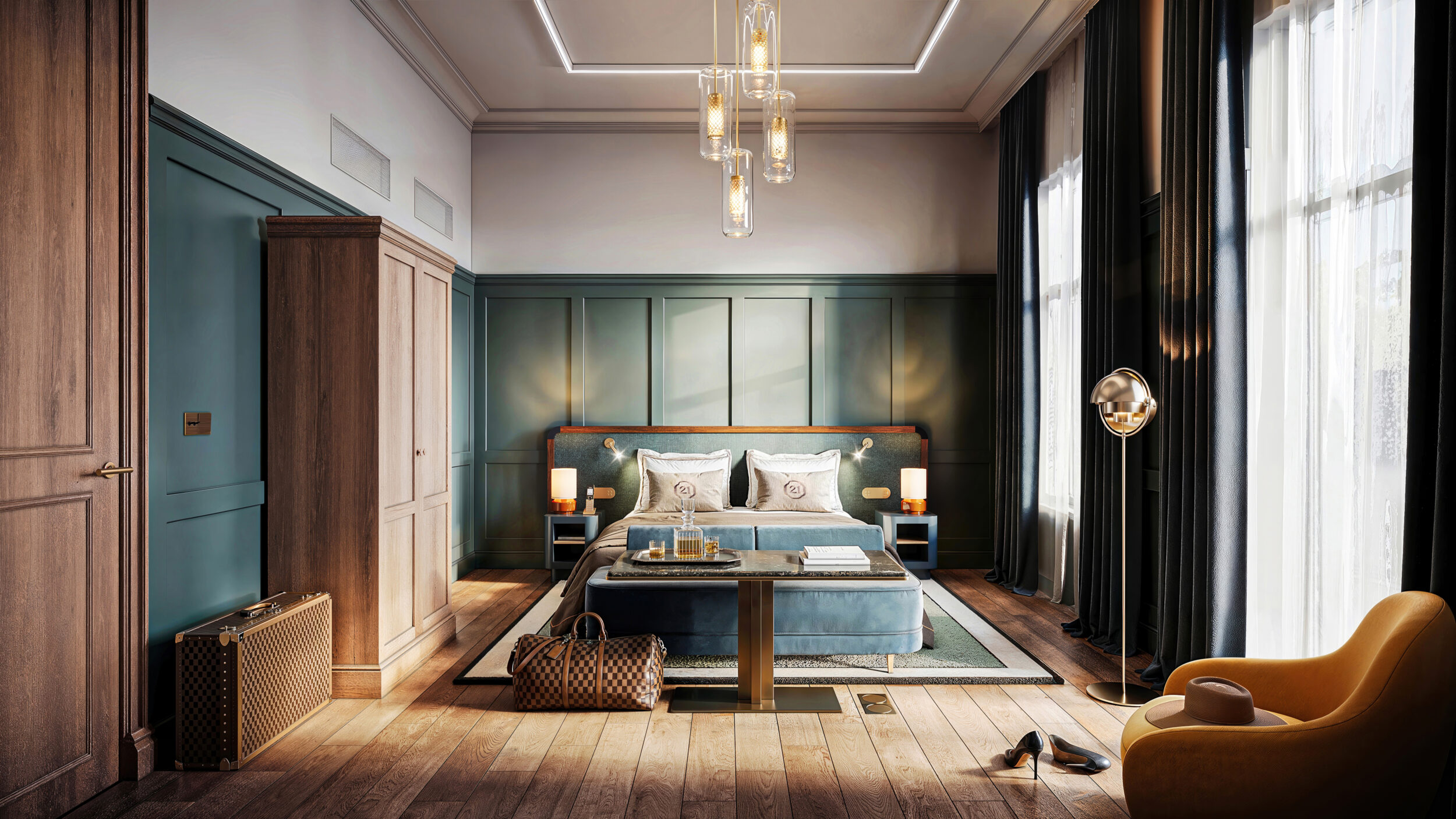
Interior design defines the heart of a luxury hotel. Rooms, suites, lobbies and spas must flow naturally. However, they need harmony, character and comfort. Luxury hotel visualization reveals how materials work together. Wood textures appear warm. Marble surfaces shine. Fabrics glow under soft lighting. Meanwhile, designers can test different layouts and styles. They can adjust lighting, furniture and accessories. Therefore, this flexibility leads to stronger creative outcomes and fewer expensive surprises.
Exterior luxury hotel visualization
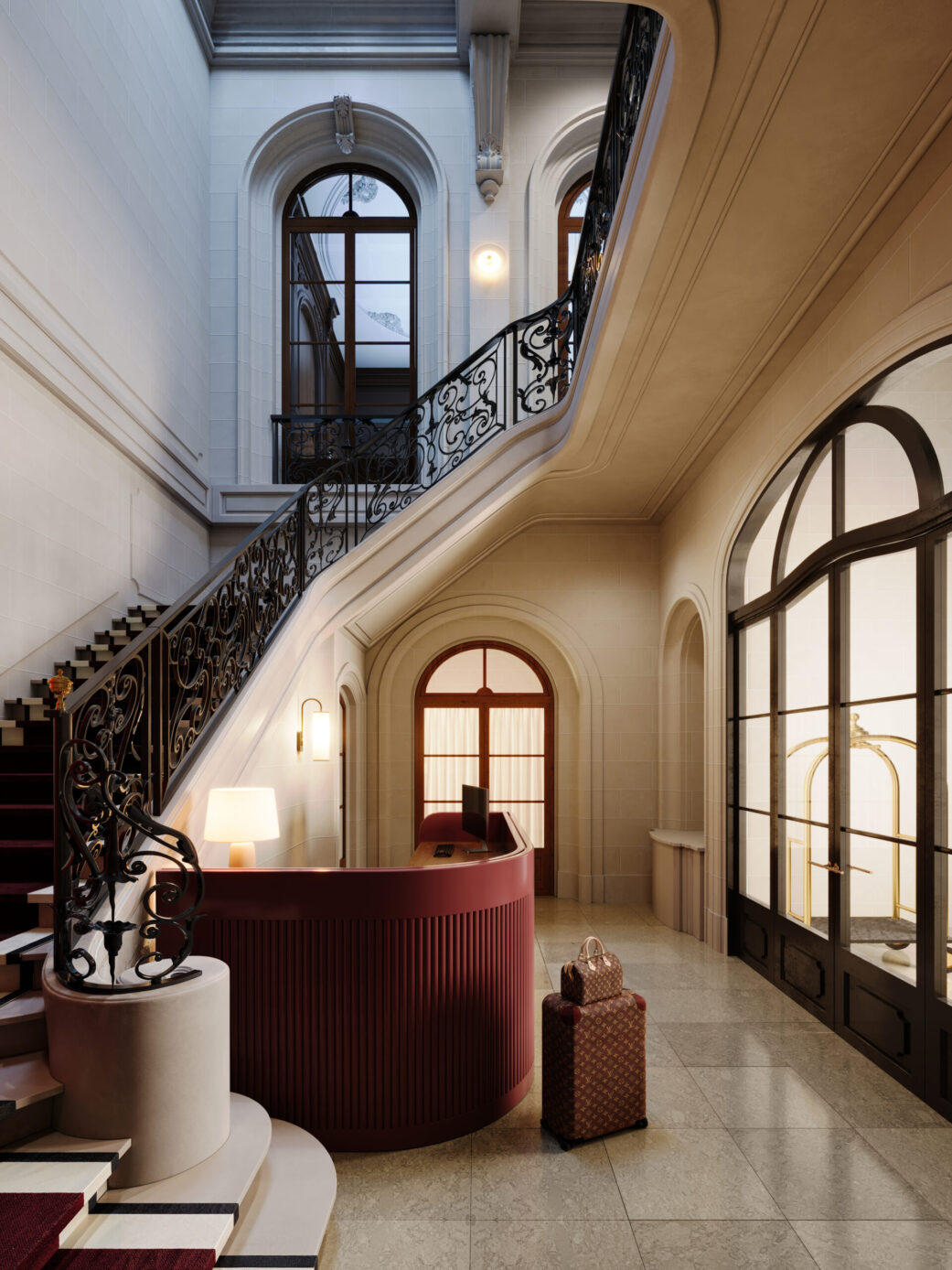
Exterior design makes the first impression. Whether it’s a beachfront resort or an urban boutique hotel such as you see here, architectural visualization displays the building in its environment. Mountains, oceans, streets or gardens all play important roles. With detailed 3D rendering, stakeholders see how the architecture responds to its surroundings. They understand scale, access and landscaping in a realistic way. Consequently, decisions become faster and far more accurate.

Supporting marketing and sales
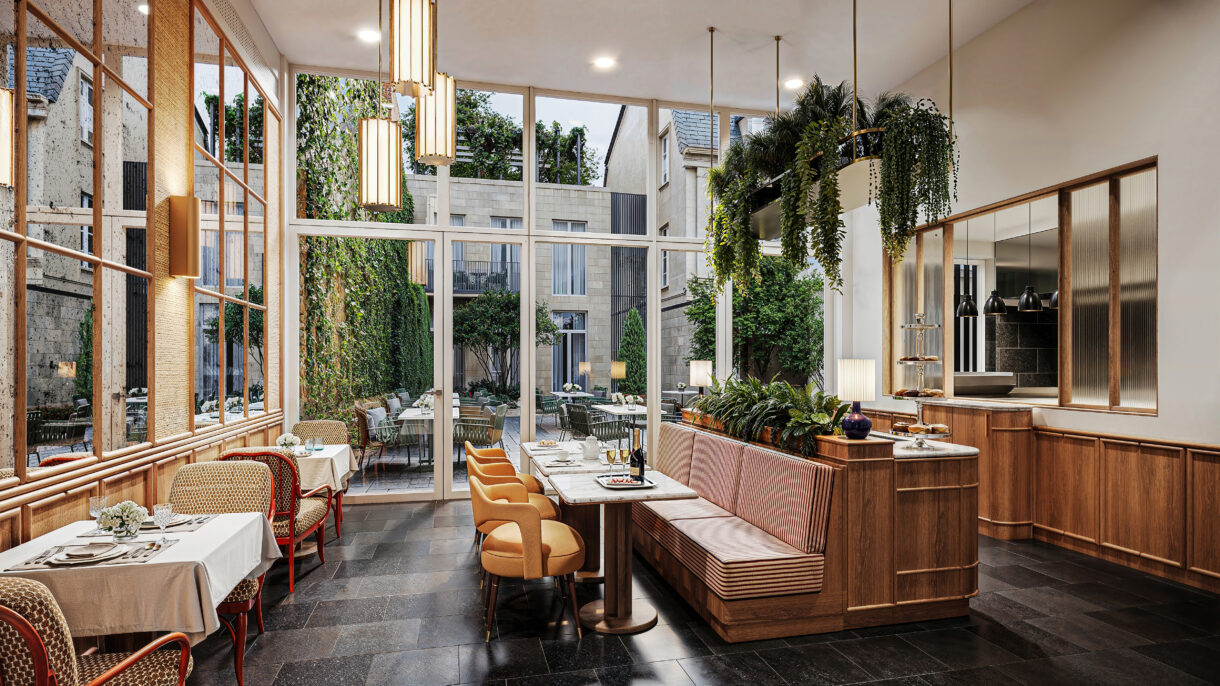
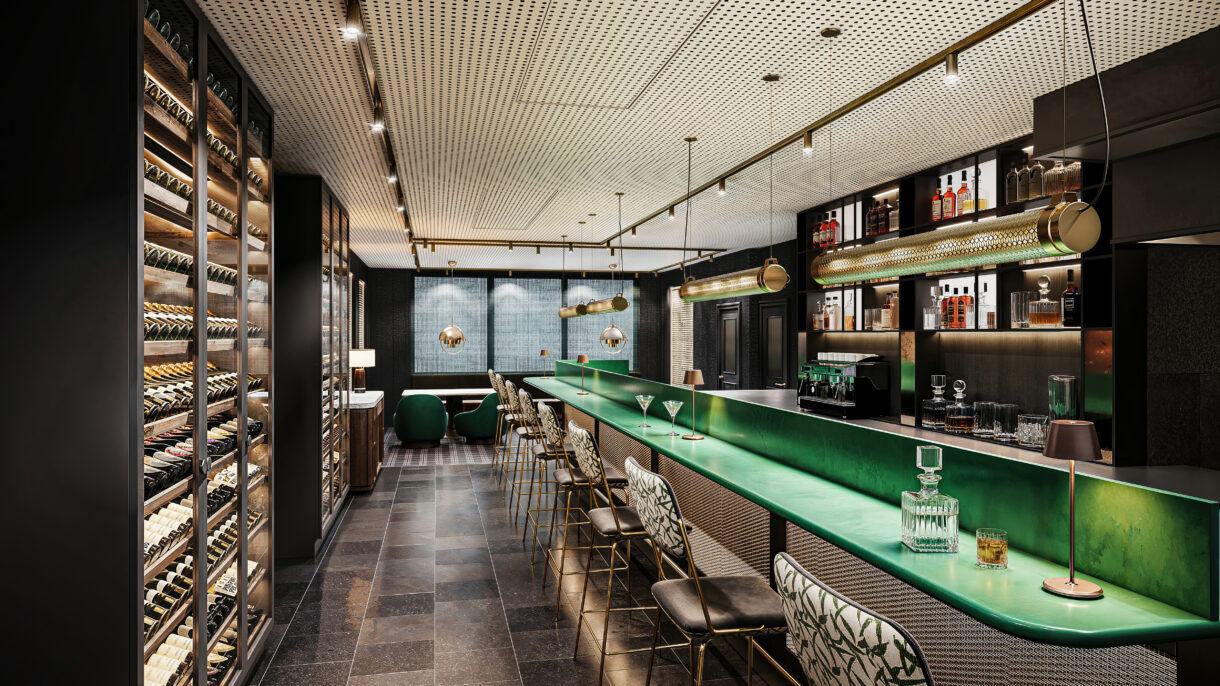
Luxury hotels also depend heavily on marketing. They need to attract guests and investors long before opening. Here, luxury hotel visualization becomes a powerful asset. Pre-opening campaigns often rely on visuals to create excitement. High-end renderings help websites, brochures and social media communicate the future guest experience. These images inspire trust and curiosity. Furthermore, they give hotel brands a competitive edge while construction is still underway.
Boosting investor confidence
Large hospitality projects like this one involve serious financial commitments. Nonetheless, investors always want to understand what they are funding. Numbers matter, but visuals speak louder. When developers present polished and realistic 3D imagery, the project gains credibility. Investors see the level of detail, quality and ambition. Therefore, they feel more comfortable moving forward. This often results in faster approval and stronger financial backing.

Luxury hotel visualization enhances collaboration
A luxury hotel project involves many contributors. Architects, interior designers, lighting experts, brand consultants and developers all shape the experience. However, collaboration can become complex. Misalignments easily appear. Fortunately, visualization aligns everyone. It offers a single reference point. Teams can explore the same scenes, discuss adjustments and refine ideas together. This improves communication and keeps progress smooth from concept to delivery.
Exploring lighting and mood
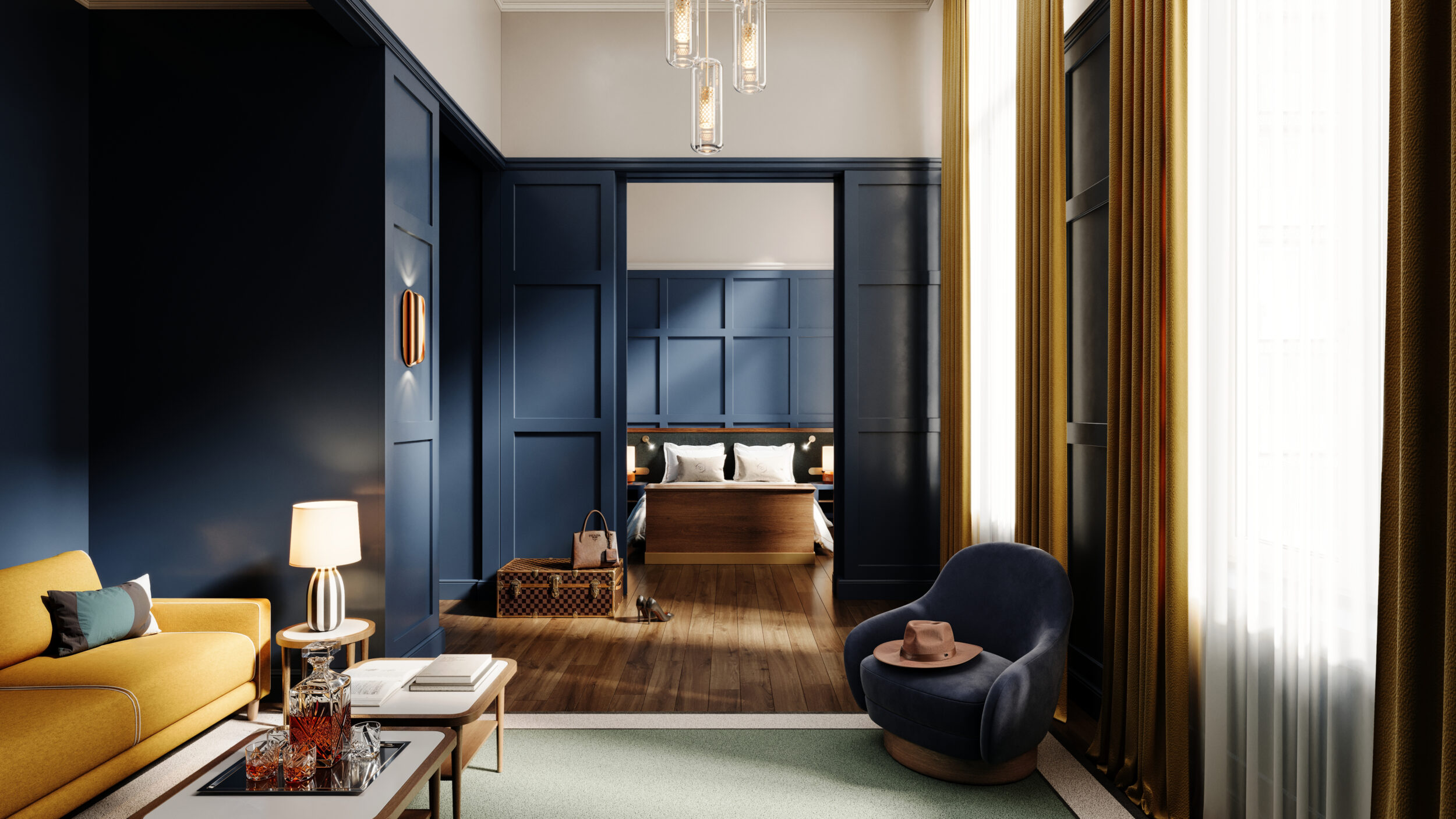
Lighting defines the soul of a luxury hotel. It sets the mood in suites, restaurants and spas. It influences how guests relax and how they experience the architecture. Through luxury hotel visualization, designers experiment with daylight, artificial lighting and reflections. They study how shadows fall and how materials respond to warm or cool tones. Thus, this exploration builds a more intentional and captivating atmosphere.
Testing design variations
Every design choice has consequences. Changing a color, material or layout can transform the entire experience. Visualization lets the team compare different scenarios within minutes. Maybe the lobby looks warmer with darker wood. Perhaps the pool feels more peaceful with softer lighting. By testing variations quickly, designers reach optimal solutions without costly physical mock-ups. This process saves time and money while improving the overall creative direction.
Creating immersive luxury hotel visualization
Technology keeps evolving. Today, luxury hotel visualization goes beyond static images. Designers can now also offer animations and virtual walk-throughs. These tours allow stakeholders to explore the hotel as if it already exists. They move through corridors, step into suites and discover restaurants. Because of this immersive experience, decision-making becomes easier and far more intuitive. Guests can even explore the hotel online before booking.


Supporting renovations and rebranding
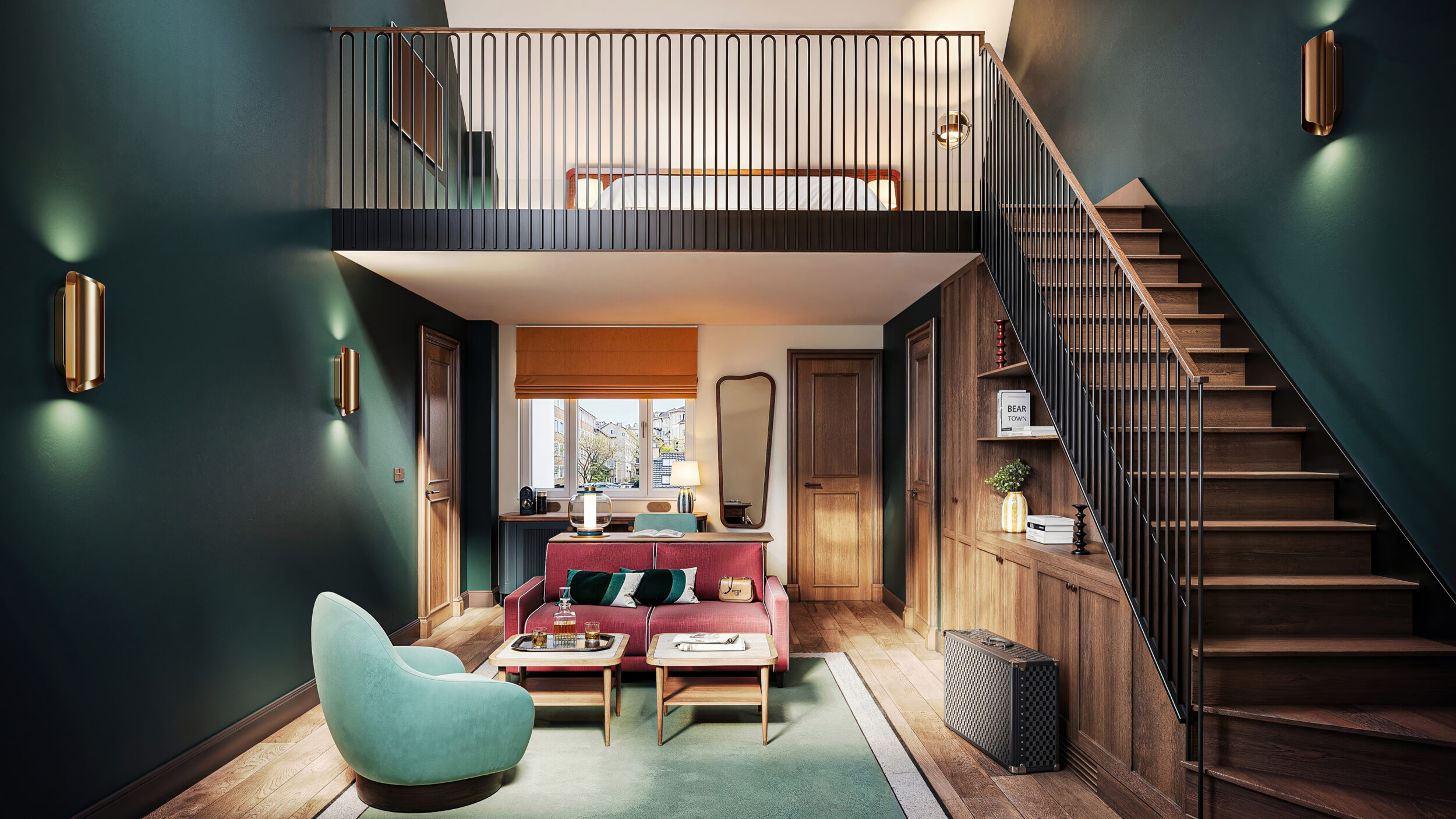
Many luxury hotels refresh their identity over time. Renovations require clear communication with owners and operators. Again, 3D visualization simplifies everything. 3D visuals show how existing spaces will transform. It helps teams plan budgets and timelines. It even allows owners to preview how the redesign aligns with the brand. In short, it reduces surprises and makes renovation projects more predictable.
Consistent luxury hotel visualization
International hotel brands operate across continents. Therefore, their design teams are often scattered worldwide. Luxury hotel visualization ensures consistent communication. Everyone sees the same lighting, materials and styling, no matter where they work. This consistency protects brand identity. It also speeds up approvals by eliminating ambiguity in design presentations.
Strengthening guest experience before opening
Guests want transparency. They want to know what they are booking. Therefore, hotels use visualization to show suites, wellness areas and dining rooms before they open. This builds trust and anticipation. It also lets brands tell a compelling story months in advance. Consequently, guests feel connected to the project early, which boosts bookings and engagement.
Conclusion: hotel visualization is vital for modern hospitality
In an industry driven by emotion, atmosphere and detail, luxury hotel visualization is no longer optional. It is essential. It strengthens design, supports marketing and builds investor confidence. In summary, it improves collaboration and reduces risk. However, most importantly, it helps luxury hotels create unforgettable experiences long before construction begins. With high-end visualization, teams move forward with clarity, precision and a shared vision.
Like this project? Then also see this 3D hotel design, this designer hotel rendering, this hotel 3D rendering project!